
How to Change a Boundary: Why I’m Changing Mine Around Faith
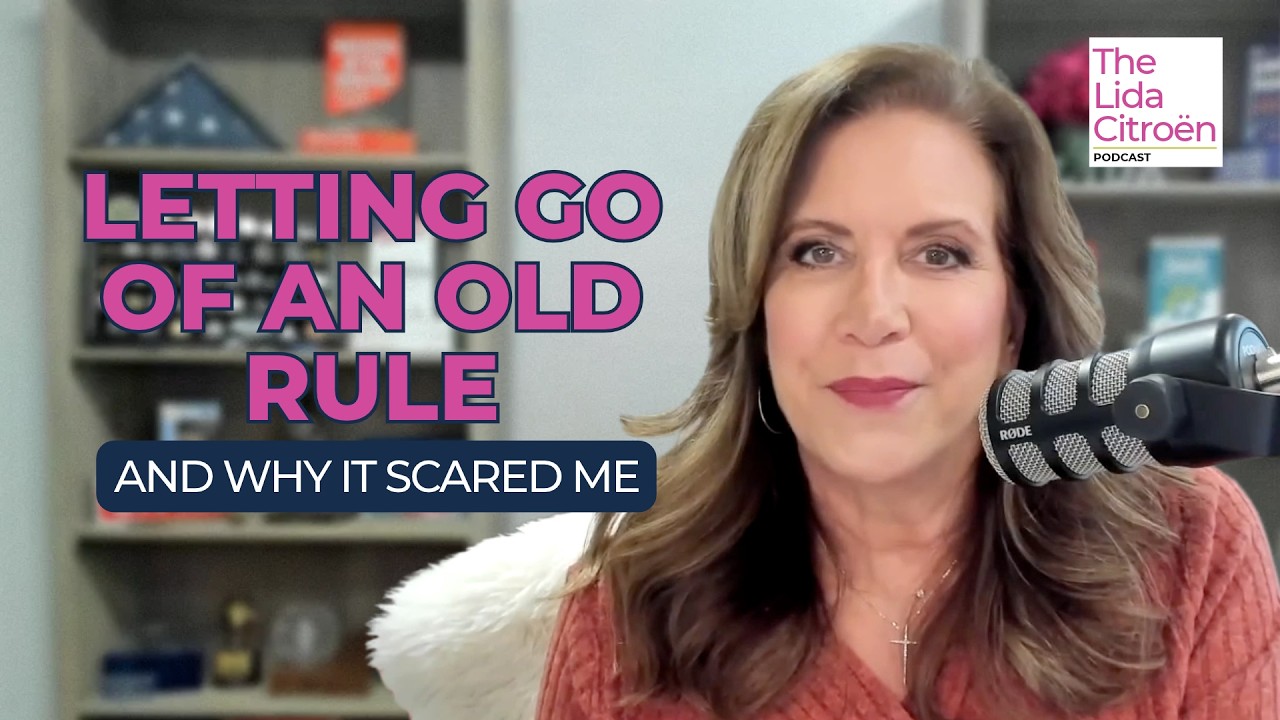
Is there a boundary you set years ago that you’ve outgrown?
For nearly 20 years, Lida kept her Christian faith out of her work and her personal brand. It was one of three boundaries she held, along with politics and alcohol. Now, after a year that tested her professionally, physically, and within her family, she’s changing the boundary around her faith, and doing it openly. Her other two boundaries stay where they are.
Her approach now is faith neutral by design, faith inclusive by invitation. Her keynotes and client work stay the same, and when someone brings their faith into the conversation, she’ll gladly go there with them.
You’ll learn how to change a boundary with intention instead of impulse: how to get clear on why you set it, who needs to hear about the change first, when the timing is right, how to communicate it, what will and won’t change, and how to handle pushback. Lida also gives you three questions to ask about every boundary you hold, so you can tell whether it’s still protecting your values or just your comfort.
If you’ve been holding a boundary out of habit or fear rather than conviction, this episode is for you. You decide when, where, and how to reset it, or whether to reset it at all.
“My faith shapes who I am and how I work, not the actual work itself.” — Lida Citroën
- Changing a boundary is always your choice: No one else decides when, where, or how you share something. Keeping that choice in your own hands protects your sense of control and identity as you grow.
- Test the reason behind the boundary: Lida assumed that keeping her faith out of her work made her personal brand more welcoming. When she checked the evidence, it wasn’t there. The belief was hers, not reality.
- Tell the people who need to know first, then decide how public to go: Before this episode went live, Lida messaged the speaking agents who book her, so nothing caught them off guard. Not every change needs an announcement. Sometimes it needs a conversation with your boss.
- Plan for what will change, and what won’t: A senior executive Lida coached had a rule: no LinkedIn connections and no recommendations. When she changed it before retiring, former colleagues asked why she hadn’t connected with them or written for them years earlier. Anticipate the questions.
- Ask whether the boundary protects your values or just your comfort: If you’re holding a boundary out of fear or discomfort, that’s your sign to revisit it.
Try This: Three Questions for Every Boundary You Hold
Write down the boundaries you hold: the topics, people, and subjects you won’t bring into conversation. Then ask:
- Why did I set this boundary? Write the reason down next to each one.
- Is that reason still true? Has the situation changed, or have you?
- Am I protecting my values and keeping myself safe, or am I protecting my comfort?
“I want you to draw your boundaries with intention. Draw them on purpose. And if the time comes, I want you to redraw them on purpose as well.” — Lida Citroën
Share With a Friend
Know someone standing at the edge of a boundary they’ve outgrown? Send them this episode. You never know when someone needs to hear it.
Start a Conversation
If you’ve been wanting to talk about how your faith fits with your work and your personal brand, Lida would love to hear from you.
Send a LinkedIn MessageBring Lida to Your Next Event
Lida Citroën trains leadership teams at Fortune 500 corporations, high-finance firms, and national defense agencies on cultivating intentional reputation and commanding influence.